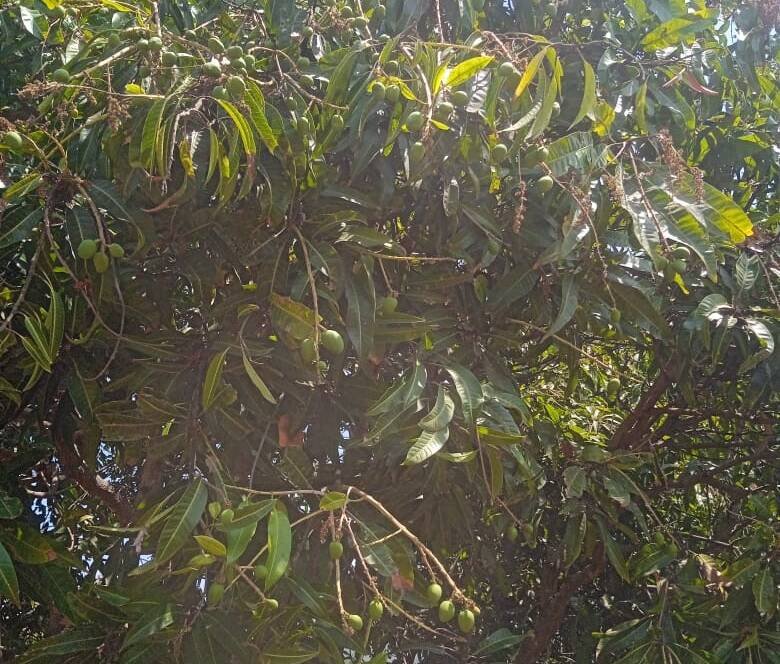
Crop Outlook 2026 (Mid May) – South India Mango Season
Executive Harvest Update – May 2026
Products Covered: Totapuri Mango Puree / Concentrate (TMC), Alphonso Mango Puree
Regions Covered: Tamil Nadu, Karnataka, Andhra Pradesh
1. Executive Summary
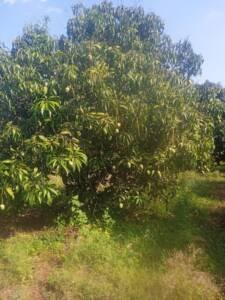
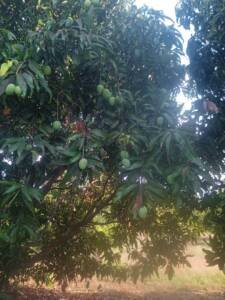
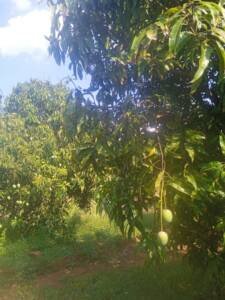
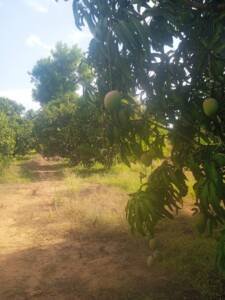
The 2026 South Indian mango season is progressing with an overall healthy and commercially stable outlook across major processing regions. Early flowering conditions during January–February were favorable in Tamil Nadu and Karnataka, supporting good crop establishment for both Totapuri and Alphonso varieties.
Although certain regions experienced climatic disruptions during March–April — including localized hailstorms, dry spells, temperature fluctuations, and unseasonal rains — the broader crop realization has remained operationally positive for the processing industry.
Compared to earlier concerns during the fruit-setting stage, current harvest movement indicates:
- Better-than-expected fruit availability
- Stable processing activity across key sourcing belts
- Improved Alphonso and Totapuri realization in most regions
- Active domestic and export market demand
Overall market sentiment for the 2026 season remains:
Healthy, commercially workable, and stable to moderately firm in pricing.
2. Regional Crop Overview
Tamil Nadu
Key sourcing regions including Krishnagiri, Salem, Dindigul, and Theni are reporting stable crop movement with satisfactory fruit development and commercially workable yields.
- Totapuri availability remains stable for industrial processing
- Alphonso crop realization is better than initially anticipated
- Harvest progression continues in staggered phases due to climatic variability
Outlook:
Stable sourcing region supporting consistent pulp processing operations.
Karnataka
Karnataka continues to remain one of the stronger performing regions for the 2026 season.
- Good flowering during early season supported crop establishment
- Localized hailstorms and temperature shifts affected selected pockets
- Overall Totapuri and Alphonso availability remains commercially healthy
Outlook:
Stable to positive processing outlook with better supply visibility compared to the previous two seasons.
Andhra Pradesh
Andhra Pradesh experienced comparatively higher climatic stress, particularly in Chittoor and Tirupati belts.
- Delayed flowering and fruit drop reported in select regions
- Weather-related crop variability remains visible
- Despite challenges, active harvesting and processing movement continue
Outlook:
Mixed regional performance, though commercially relevant crop availability continues.
3. Weather & Market Factors
The 2026 season has been influenced by:
- Transition from weak La Niña toward ENSO-neutral conditions
- Temperature fluctuations during flowering and fruit development
- Localized hailstorms and unseasonal rains
These conditions resulted in:
- Uneven fruit maturity
- Localized fruit drop
- Regional yield variability
However, major processing regions have largely maintained operational crop continuity.
4. Harvest & Commercial Outlook
| Variety | Harvest Window | Market Position |
| Alphonso | Mid-May onwards | Premium and stable |
| Totapuri | Early June onwards | Healthy industrial availability |
Market Direction
- Export demand from Europe, Canada, Gulf, and Asia remains active
- Premium and baby-food-grade inquiries continue to increase
- Pricing expected to remain stable to moderately firm during active harvest
5. Conclusion
The 2026 South Indian mango season is shaping into a commercially stable year with healthy processing potential across key regions. While weather volatility created localized disruptions, overall crop realization for Totapuri and Alphonso remains positive and supportive for industrial processing and export commitments.
Disclaimer
This report is based on current harvest-season observations, regional market interactions, and publicly available industry developments across South India. Crop realization and supply conditions may continue to vary depending on weather progression and harvesting patterns during the active season.